Problems that can occur
Along with painful symptoms, Crohn’s disease can lead to complications in your intestines such as:
Obstruction (blockage) of the intestines
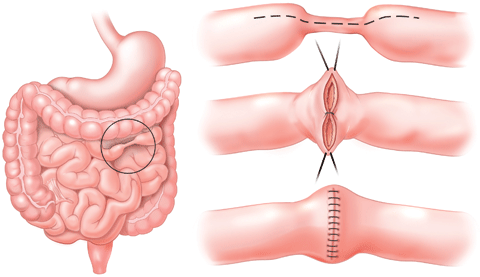
Formation of scar tissue
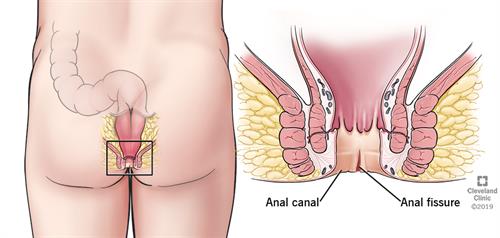
Fissures (small cuts or tears in the anal canal, which may bleed)
Abscesses (localized infection or collection of pus)
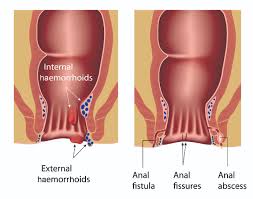
Fistulas (abnormal tunnels that form between two structures of the body)
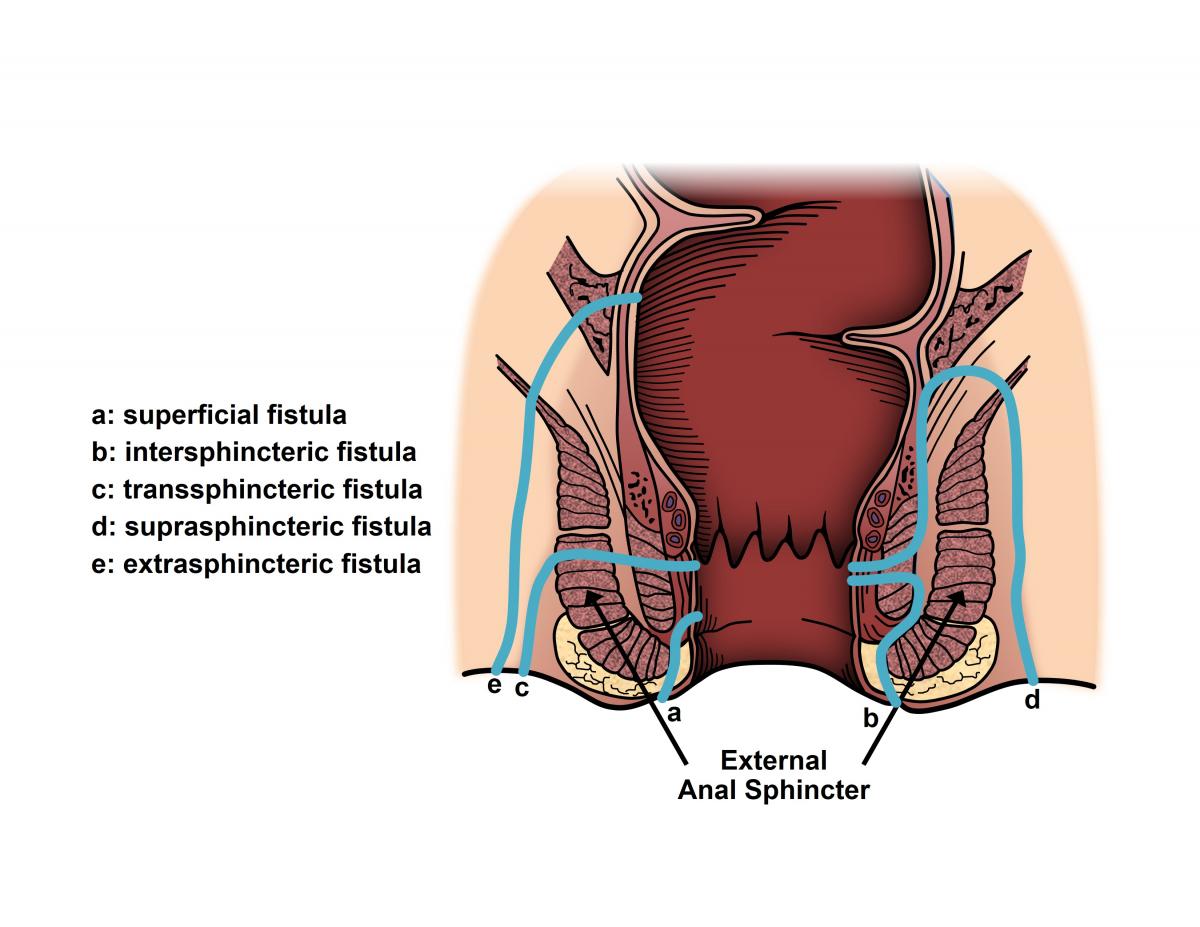
Your doctor may recommend surgery to remove a damaged portion of your digestive tract to close fistulas, remove scar tissue, or to repair damage caused by Crohn’s disease.
In addition to the symptoms listed above, Crohn’s disease complications may include:
Increased risk of colon cancer, due to chronic inflammation of the colon
Vitamin and mineral deficiencies:
Chronic inflammation of the small intestine, or patients who have had damaged portion of their intestines removed, may have issues with malabsorption of the vitamin B-12.
Over time, blood loss from inflammation and ulceration of the intestines can lead to iron-deficiency anemia.
People with Crohn’s disease can have decreased vitamin D, which can lead to bone loss (osteopenia
and/or osteoporosis). Corticosteroid use can make bone loss worse.
Kidney stones can be a complication if you have Crohn’s in the small intestine.
 All about Crohn`s